







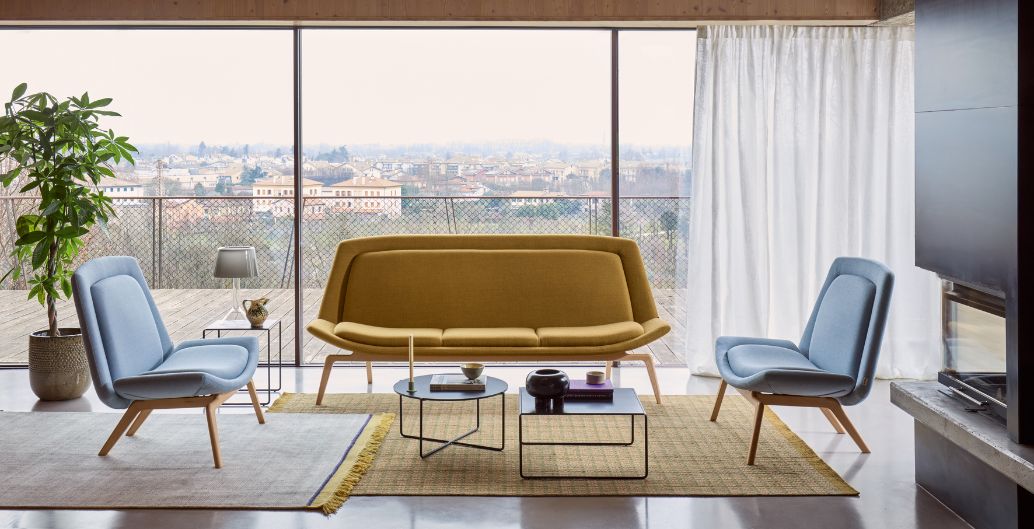
Quando si parla di arredamento, i colori non sono solo una questione di estetica: sono un vero e proprio modo di comunicare che può influenzare le nostre emozioni, il nostro comportamento e come viviamo gli spazi.
When it comes to furniture, colors aren't just a matter of aesthetics: they are a genuine form of communication that can influence our emotions, our behavior, and how we experience spaces.
Color theory teaches us that every shade can have a different effect on our mood and state of mind. That's why colors become an important tool for improving personal wellbeing, as well as the wellbeing of those around us.
In the design of colored chairs, using color psychology consciously can turn a simple chair into something that expresses emotions and changes the atmosphere of a room. In this article, we'll look at how colors influence the way we act, and how colorful furniture can make spaces more beautiful and functional.
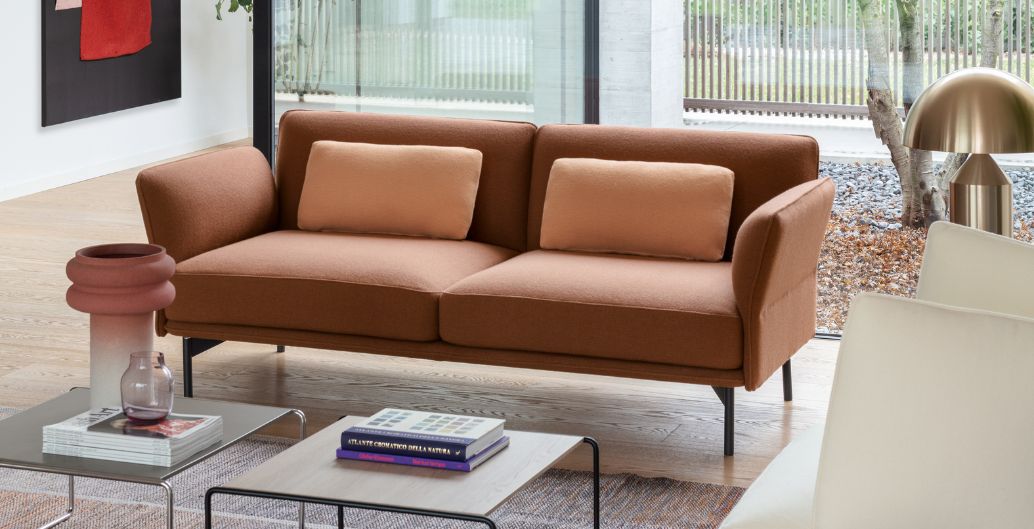
Color Theory and Its Impact on Behavior
Most of us, even without realizing it, are influenced by the colors around us.
Color theory states that every shade can trigger different sensations and reactions, from a sense of calm to dynamism, from serenity to vitality. These effects are universal, but they can vary slightly depending on the situation and the cultural context.
When it comes to seating, it's worth considering that color can be an ally in encouraging specific moods. For example, in an office it might be essential to use shades that boost concentration and reduce stress, while in a creative space, warm and vibrant colors can stimulate energy and motivation.
Calm and Sensitivity in Blue
Among the primary colors, blue is perhaps the one that most embodies feelings of peace, reliability, and tranquility. From a psychological standpoint, blue is associated with mental relaxation that can improve productivity, especially in environments where concentration is needed, such as offices, studies, and waiting rooms.
Blue office chairs are an ideal choice for anyone looking for colorful furniture that promotes calm and a sense of security. For example, our Celine – Milani collection offers armchairs perfect for creating offices with a coordinated look, enhanced by upholstered armrests and a synchronized tilting mechanism.
Blue becomes an element that brings together elegance and comfort, showing how color psychology can be integrated into professional design.
Red: Energy and Vitality
Red is a warm, intense color, a symbol of strength, passion, and success. Emotionally, this shade stimulates desire and action, creating dynamic and motivating environments. Red chairs can therefore be used in creative spaces, offices, and shared areas where energy is a central value.
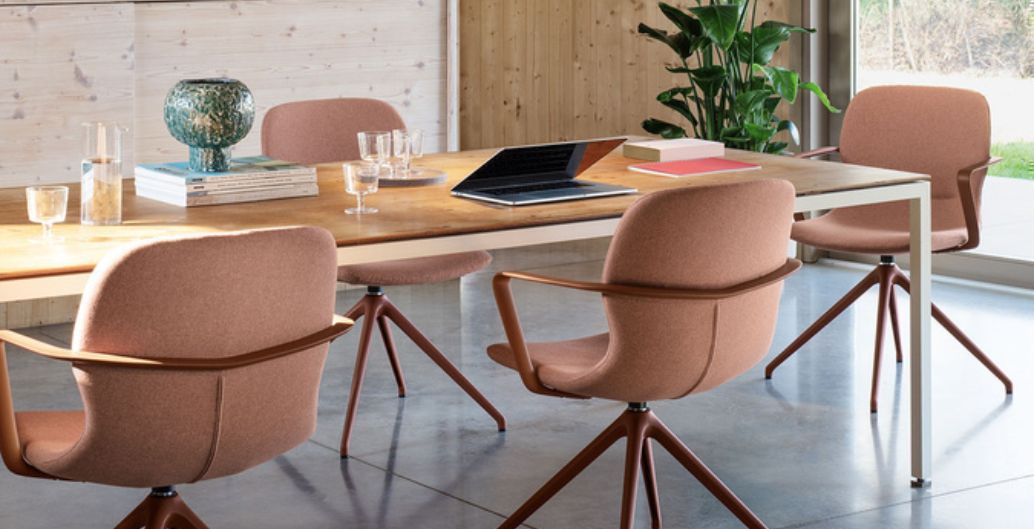
The Mi Chair – Milani collection is a perfect example of how red can transform a space: designed to adapt to the fluidity of contemporary environments, with an upholstered shell inspired by the shape of the human body, it turns seating into the focal point of a bold, engaging visual statement.
Choosing red means investing in colorful furniture that speaks of vitality and passion, lifting the mood of anyone who uses those spaces.
Yellow: Vibrancy and Optimism
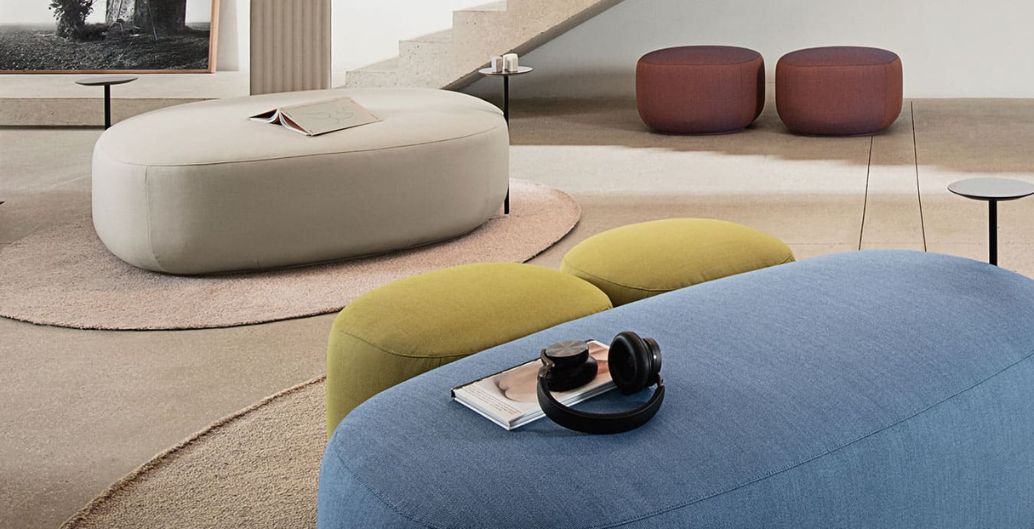
Yellow is another primary color linked to feelings of lightness, freshness, and dynamism. Psychologically, yellow conveys enthusiasm and optimism, making it perfect for spaces that aim to be stimulating and cheerful.
Yellow seating, like that of the Bakku – Milani collection, is an excellent choice for informal, convivial spaces. These poufs, with their organic shapes and available in four sizes, can be used individually or combined side by side to create unique, colorful arrangements, helping to shape a work or relaxation environment that invites creativity.
Green and Orange: Balance, Renewal, and Transformation
Green is the color of balance, stability, and renewal. Psychologically, people who choose green tend to have a strong sense of self-awareness, seeking calm and relief from anxiety and stress. In interior design, green is often used in relaxation spaces such as lounges, waiting rooms, and medical offices.
The Nordic – Milani collection is an ideal solution for spaces that aim to convey serenity and focus: originally designed as an executive office chair, it has evolved into a full collection of upholstered and lounge seating created specifically for waiting areas, featuring curved lines and a welcoming look.
Orange, born from the fusion of red's energy and yellow's lightness, symbolizes transformation and warmth. Emotionally, it encourages engagement and fosters a warm, inviting atmosphere. Orange seating is perfect for meeting rooms or dynamic spaces where communication and psychological wellbeing are a priority.
Together, green and orange can bring balance and positive transformation to a space, combining functionality with a focus on wellbeing.
White, Black, and Gray: Purity, Elegance, and Neutrality
Finally, neutral colors like white, black, and gray play fundamental roles in the color psychology of interior design.
White: a symbol of purity and new beginnings, it gives spaces a sense of freshness and calm, ideal for minimalist and professional environments.
Black: represents elegance and authority, perfect for sophisticated furnishings that aim to convey strength and personality.
Gray: a neutral, understated color, often chosen for formal spaces where discretion and emotional balance are called for.
The Sally – Milani collection is a perfect embodiment of these qualities, with classic, generously sized armchairs available with a high or mid-height backrest and various base types, including a sled base. In every version, the armrests are upholstered, delivering a result that combines comfort and style — ideal for professional offices that want functionality without giving up elegance.
Where You Sit Is How You Feel: The Importance of Color in Furniture
Ultimately, colors are not just aesthetic details, but genuine tools capable of influencing emotions, mood, and behavior. Colorful chairs thus become the protagonists of a story that speaks to our emotions and the atmospheres we want to create.
We offer collections that combine design and color psychology, with solutions in multiple finishes and materials to suit every need and mood. Choosing colorful furniture isn't just about style — it's a conscious choice that can improve personal and collective wellbeing.
Let color psychology guide you, and discover how your space can become one that speaks to who you are and how you feel. Visit our website and find the seating that best reflects your style and your emotions.
Read also: How to decorate your home following the principles of color seasons.